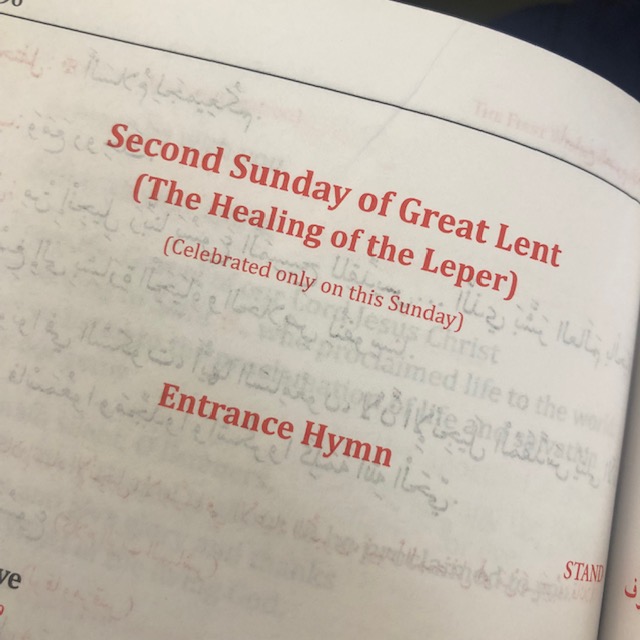
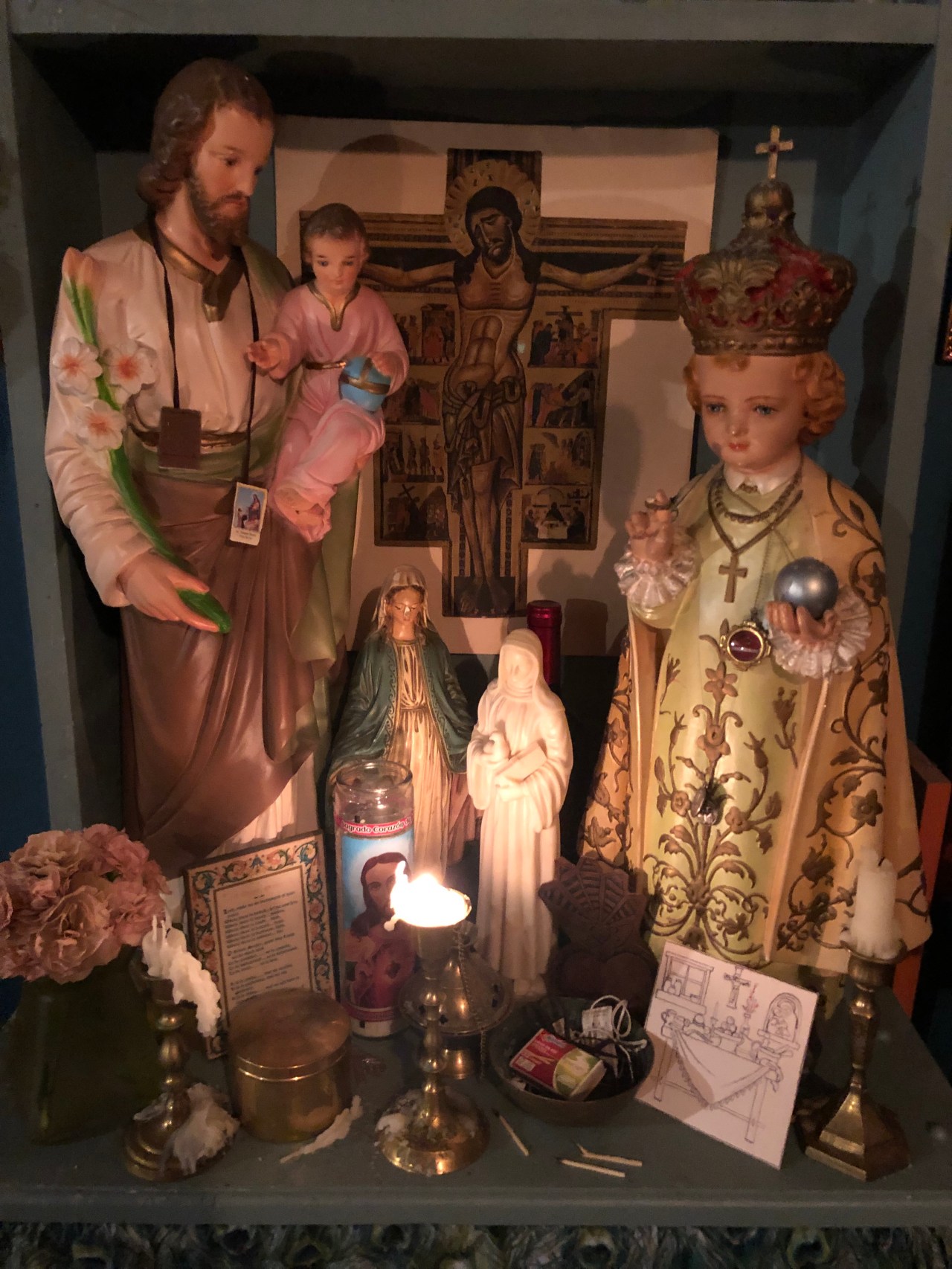
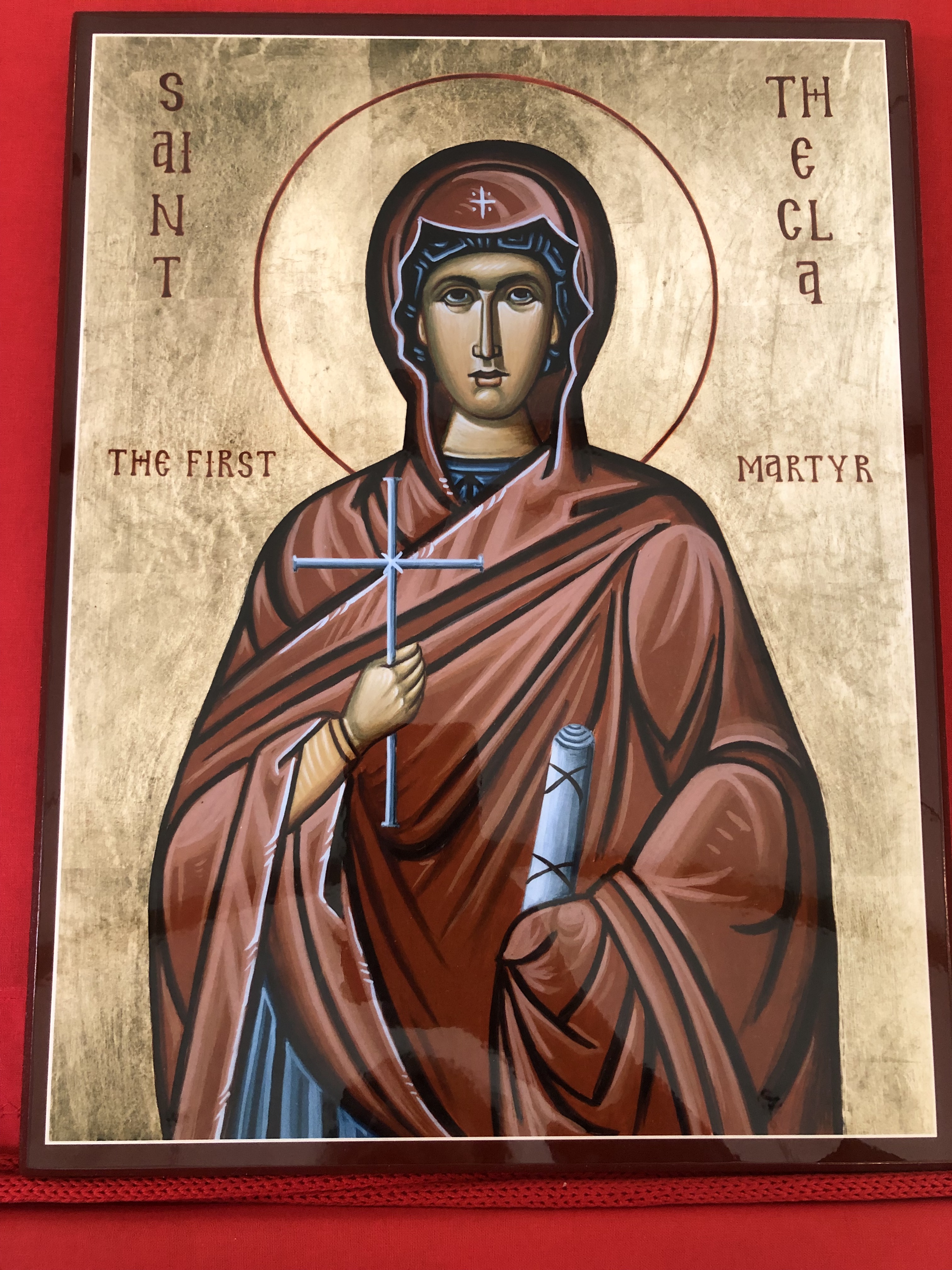
I currently have about 1,589 ideas running around my brain, but none of them taking shape of a cohesive post. But I have a bunch of random things we would talk about if we were sitting down together over a cup of chai with an extra shot of espresso. Madame Zeroni, the dog, would be begging for crumbs from something loaf-like I have baked for you. We would get comfy on the couch, or better yet in the rocking chairs that are around my fire. We won’t have a fire burning much longer, the days are getting warmer. So, let’s enjoy these last few while we can, getting cozy and talking about books, music, prayers, the deep things on your heart and mine, and the dumbass things people say. Let’s catch up and spill the tea while sipping our tea in gratitude that here we are over the halfway point of Lent. We have met Jesus along the way…and heard his gospel being proclaimed to the ruins of our hearts.
Continue reading