
In 1 Kings 19 we read what happens right after God orchestrates a huge victory through the prophet Elijah. Fire from heaven. The enemies of God slain. The prophet is exhausted. He tells God that he’s had quite enough and he’s ready to die now. According to Scripture he just lays down where he is. Have you ever been so tired you think, “Yeah, I’m going to lay down right here and just not get up”? I have.
Elijah takes a nap. An angel wakes him up and tells him he needs to eat. Near him was a cake baked on hot stones and a jug of water. He eats and drinks and lays down to get some more REM. The angel wakes him up again and reminds him to eat. He says that if Elijah doesn’t eat the journey will be too much for him. So he obeys and then he lives off the strength of that holy snack for 40 days.
Emotions
I remember years ago when I was called upon to give the eulogy at my grandmother’s funeral that I was pulled aside before the service and told firmly, “Do not cry. You don’t need to be carrying on like you’re mourning. No one needs to see your tears right now. Grandma is in heaven. So, if you can’t deliver this with that kind of hope, I can find someone else to do it.” (Gotta love the spiritual bypassing of pentecostal protestantism.) I read the eulogy. And I cried. I cannot ever feel that tears are the antithesis of living in hope. Tears are often the language of hope. Faith is expressed in deep groaning. Love comes with an ache.
When we are going through seasons of trial of one kind or another why do we assume that we should have the same sustained level of stamina at all times? We don’t shame an athlete for feeling fatigued after running a marathon or for needing a recovery day after the big game. An athlete pushes themselves to their limit and then schedules in recovery. Ice pack, massage, sleep, these are normal processes we honor for those who expend themselves physically. But when we go through something a little less tangible like grief, loss, disappointment, a traumatic event, or depression we act as if the person should carry on and not need a break, moreover there should be no evidence of emotions.
However, just take a look at any patriarch, matriarch, or saint of old. They had moments of grief, exhaustion, spiritual dryness, and bitter tears. It does not mean that their faith was lacking. It just means they were carrying something very important. Like the stretch marks left on a mother’s body after pregnancy, sometimes emotions leave a watermark on souls.
When the Bible says that three things remain: faith, hope, and love, it does not say that our tears, our weariness, or our weakness undoes any of it. These are the transcendentals. They transcend our limitiations, too.
A Litany
“In returning and rest you shall be saved; in quietness and in trust shall be your strength….” Isaiah 30:15
St. Moses, with your hands lifted up in battle, you became tired so Aaron and Hur made you sit down and they held up your arms, ora pro nobis
Mother Hannah, you were so tired of praying for the same thing year after year of sacrifice and people accused you of being intoxicated because of your weeping, ora pro nobis
King David, who when you got tired of war your armor bearer slew your enemies for you, ora pro nobis
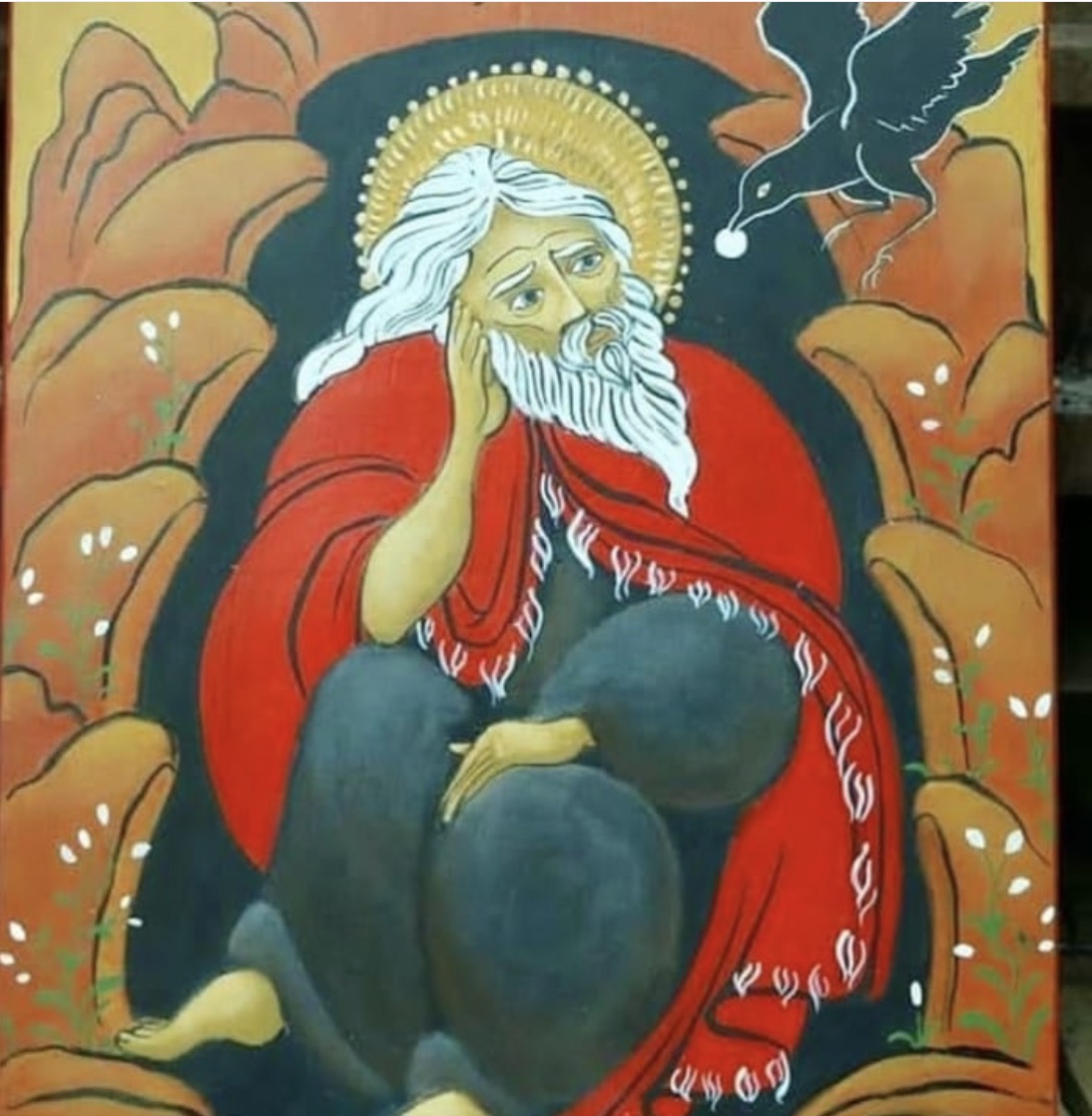
St. Elijah, who despaired right after a huge victory until the Lord revived you with a nap and a snack, ora pro nobis
Saints Peter, James, and John, you tried to stay awake with the Lord in his passion, but you fell asleep in the garden, ora pro nobis
St. Paul, you were completely spent, poured out like a libation, and the one thing you asked for was your books to be brought to you before you died, ora pro nobis
St. Macarius, you once went without sleep for 20 days, ora pro nobis
St. Catherine of Sienna, you only slept every other day saying that was paying the debt of sleep to the body, ora pro nobis
St. Philip Neri, you said “When a man really loves God, he comes to such a state in the end that he is obliged to say, ‘Lord, let me get some sleep.’” Ora pro nobis
St. John of the Cross, you wrote the book on the felt absence of God, the inability to pray, the loss of meaning and consolation. You coined it the Dark Night of the Soul. Ora pro nobis.
Servant of God Dorothy Day, you said that everyone wants a revolution, but no one wants to do the dishes, and I felt that, ora pro nobis
St. Drogo, patron saint of coffee, you’re a real one. Ora pro nobis
Jesus Christ, who had Simon of Cyrene help you carry your cross, have mercy on us
All you tired Holy men and women of God, interceded for us now and when we are too worn out to go on. Amen

